
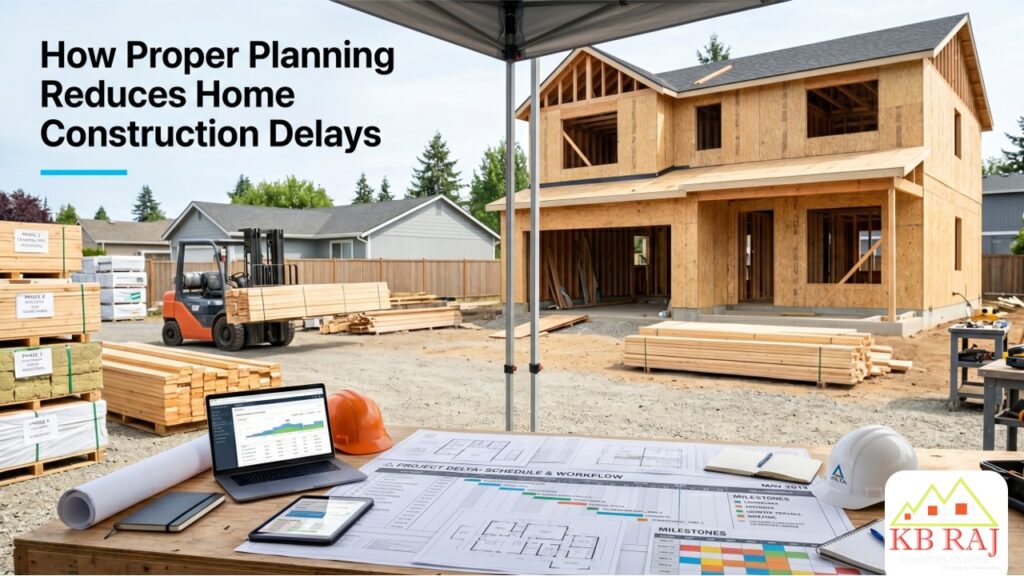
Building a home is one of the most significant investments a person makes. While everyone looks forward to moving into their dream home, construction delays can turn an exciting journey into a stressful experience. Many delays are not caused by unforeseen circumstances alone; they often result from inadequate planning before construction begins. Proper planning is the foundation of a successful construction project and plays a crucial role in ensuring timely completion.
The Importance of Planning Before Construction
Every successful home construction project starts with a clear plan. Planning involves defining the project scope, preparing architectural drawings, obtaining approvals, estimating costs, scheduling activities, and coordinating resources. When these aspects are addressed early, the chances of unexpected interruptions during construction are significantly reduced.
Without a detailed plan, decisions are often made on-site, leading to confusion, rework, and delays. A well-planned project provides clarity to homeowners, architects, engineers, contractors, and suppliers, ensuring everyone works toward the same objective.
Accurate Budgeting Prevents Work Stoppages
One of the most common reasons for construction delays is financial disruption. If the budget is not properly calculated at the beginning, homeowners may face difficulties arranging funds midway through the project.
Proper planning includes detailed cost estimation covering materials, labor, approvals, utilities, and contingency expenses. Having a realistic budget ensures that construction progresses smoothly without interruptions caused by unexpected costs or shortages of funds.
Timely Material Procurement
Construction projects depend heavily on the availability of materials. Delays in sourcing cement, steel, bricks, tiles, electrical components, or plumbing fixtures can significantly impact project timelines.
Proper planning helps identify material requirements in advance and schedule purchases according to construction stages. Early procurement also allows homeowners to compare suppliers, secure better pricing, and avoid delays caused by stock shortages or transportation issues.
Efficient Scheduling of Construction Activities
Every stage of construction depends on the completion of the previous one. For example, roofing cannot begin before structural work is completed, and painting cannot proceed until plastering is finished.
A detailed construction schedule helps organize activities in the correct sequence. It enables contractors to allocate labor efficiently and avoid idle time. When every task is planned and monitored, project managers can quickly identify potential delays and take corrective action before they affect the overall timeline.
Faster Approval and Documentation Process
Many construction projects experience delays due to pending approvals and documentation issues. Building permits, plan sanctions, utility connections, and other regulatory requirements must be completed before or during construction.
Planning these processes well in advance ensures that necessary approvals are obtained on time. This prevents situations where construction work is halted because of compliance-related issues.
Reducing Design Changes During Construction
Frequent design modifications are a major cause of project delays. Changes made after construction begins often require demolition, rework, additional materials, and revised drawings.
Proper planning allows homeowners to finalize layouts, elevations, material selections, and interior requirements before construction starts. Clear decisions made early help maintain workflow and prevent costly interruptions later in the project.
Better Resource Management
Construction projects involve multiple teams, including architects, engineers, contractors, electricians, plumbers, carpenters, and suppliers. Poor coordination among these professionals can create scheduling conflicts and delays.
A well-planned project ensures that resources are available when needed and that different teams work in coordination. Effective communication reduces misunderstandings and keeps construction activities moving according to schedule.
Risk Identification and Contingency Planning
Unexpected challenges such as weather conditions, labor shortages, material price fluctuations, or supply chain disruptions can affect construction timelines. While not all risks can be eliminated, they can be anticipated and managed.
Proper planning includes identifying potential risks and preparing contingency strategies. Having backup suppliers, flexible schedules, and emergency budgets helps minimize the impact of unforeseen situations.
Conclusion
Home construction delays are often preventable when the project is planned thoroughly from the beginning. Accurate budgeting, proper scheduling, timely approvals, efficient resource allocation, and early decision-making all contribute to smoother project execution. Investing time in planning not only reduces delays but also improves quality, controls costs, and creates a more organized construction experience.
A Message from KB Raj Constructions
At KB Raj Constructions, we believe that every successful home begins with meticulous planning. Our team focuses on detailed project management, transparent communication, accurate cost estimation, and systematic execution to ensure projects are completed efficiently and on schedule. From design and approvals to construction and handover, we work closely with our clients to transform their vision into a well-built home with minimal delays and maximum peace of mind.
